Does the acupressure mat work? The University of Padua study, read line by line
Every page that sells an acupressure mat says “scientifically proven”. We preferred to read the study. In Europe there is only one that measured the mat on real patients with a randomised controlled design: it was published in 2021 by the University of Padua in the journal Applied Sciences (Frizziero A., Finotti P., La Scala C., Morone G., Piran G., Masiero S., DOI 10.3390/app11115211). The video sums it up in a minute and a half; below we put it in writing, with the numbers.
Who took part
Forty-four adults with chronic non-specific low back pain, meaning back pain for at least three months with no precise cause (no herniated disc, no fracture). All followed the same therapeutic exercise programme with a physiotherapist: ten supervised sessions, then home exercises. Half of the participants, chosen at random, added 60 minutes a day lying on the Mysa acupressure mat (33-tip flowers) for four weeks.
What was measured
Pain (VAS scale), pain quality (McGill), disability (Oswestry) and quality of life (EQ-5D), at baseline, at the end of the four weeks and at six months.
What the study found
At six months, the group that had used the mat showed a significant reduction in pain over time and a greater improvement in quality of life than the exercise-only group. On disability, that is how much pain limits daily activities, both groups had improved but the difference between them was not statistically significant. No relevant adverse effects.
What the study does not say
The authors write it themselves in the limitations: 44 people is a small sample, and there was no control group with a “sham” mat, so part of the effect could depend on expectation. The study does not say the mat cures back pain, and it did not study the neck, sciatica or herniated discs. It says: a positive signal, to be confirmed in more patients.
How they used it, and how to start
In the study: 60 minutes a day, on the back, in addition to the exercises and never instead of them. Anyone starting today can begin with 10-15 minutes wearing a light T-shirt and then move to bare skin. The mat should not be used during pregnancy, on injured skin or with anticoagulant therapy; if pain persists or radiates down the leg, see a doctor first.
Why the study used Mysa
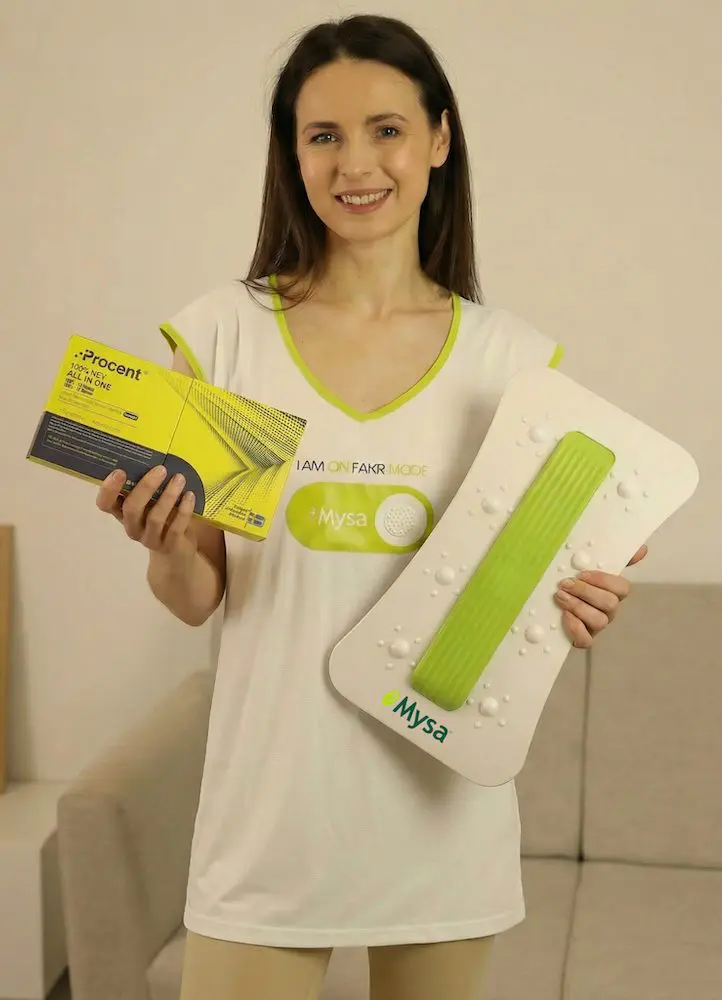
The mat used in the study is the Mysa with 33-tip flowers: plant-fibre padding, cotton cover, CE class I medical device, designed and created in Sweden. It is the same structure as every Mysa mat on sale today.
FAQ
Is the acupressure mat scientifically proven?
There are four published studies (Sweden 2011, Germany 2012, Padua 2021); they show consistent but small signals. The most solid is the Padua trial summarised on this page.
Does it work for neck pain?
The Padua study did not look at it. Two German pilot studies (2012) observed less neck pain after two weeks, in small groups.
How long per day?
60 minutes in the study; 10-15 minutes is enough to start.
The most frequent questions, on video
Acupressure mat: T-shirt or bare skin?
Start with a light T-shirt, then move to bare skin.
- First sessions: thin cotton T-shirt, 10–15 minutes
- After a few sessions: bare skin, more even pressure
- Never on injured or irritated skin; not during pregnancy
- Not a cure: if pain persists, see your doctor first
How long per day on an acupressure mat?
From 10–15 minutes up to 20–40 minutes, once a day.
- University of Padua study 2021: 1 hour a day for 4 weeks, together with exercises
- Regularity matters more than duration
- Sharp pain or tingling that does not go away: stop
- If pain persists, see your doctor first
Does an acupressure mat help neck pain?
No clinical study has measured it on the neck.
- University of Padua study 2021: chronic low back pain only, not the neck
- The pillow under the neck: 10–20 minutes of relaxation for neck and shoulders
- Dizziness, pain radiating to the arm, tingling, recent injury: see your doctor first
- Not a cure for neck pain
Acupressure mat during pregnancy: can you use it?
No: do not use the acupressure mat or pillow during pregnancy.
- No safety studies in pregnancy
- Stimulation of some points is not advised, as a precaution
- After birth: ask your doctor or midwife when to resume
- Injured skin, anticoagulants, medical conditions: ask your doctor first
25-tip or 33-tip flowers: what is the difference?
More tips per flower = weight spread wider, more even pressure.
- 33 tips: each tip presses less, a more diffused feeling
- 20–25 tips: each tip bears more weight, more concentrated pressure
- Mysa: 33-tip pyramid flowers, the model used in the Padua study 2021
- Designed and created in Sweden
Sources
- Full study, open access (Applied Sciences, 2021)
- All studies on acupressure mats
- Evidence fact sheet on Zenodo (DOI 10.5281/zenodo.24153040)
- Wikipedia (it): Tappetino per agopressione
- The video on YouTube
The acupressure mat complements exercise; it is not a cure. Not during pregnancy, on injured skin or with anticoagulant therapy; if pain persists, see your doctor.